Reaching children who have missed routine vaccination requires more than vaccines. It requires understanding the communities we serve, identifying the barriers they face, and working with local actors to develop solutions that respond to their realities.
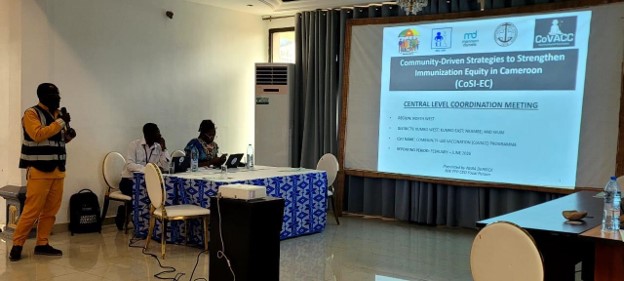
As part of preparations to implement the Community-Driven Strategies to Strengthen Immunisation Equity in Cameroon (CoSI-EC) initiative, CoVACC participated in a workshop focused on strengthening community-driven approaches to immunisation equity in vulnerable and underserved communities.
The workshop provided an opportunity to strengthen knowledge and practical approaches for identifying communities that are being missed by immunisation services and supporting efforts to reach children who are zero-dose or under-immunised.
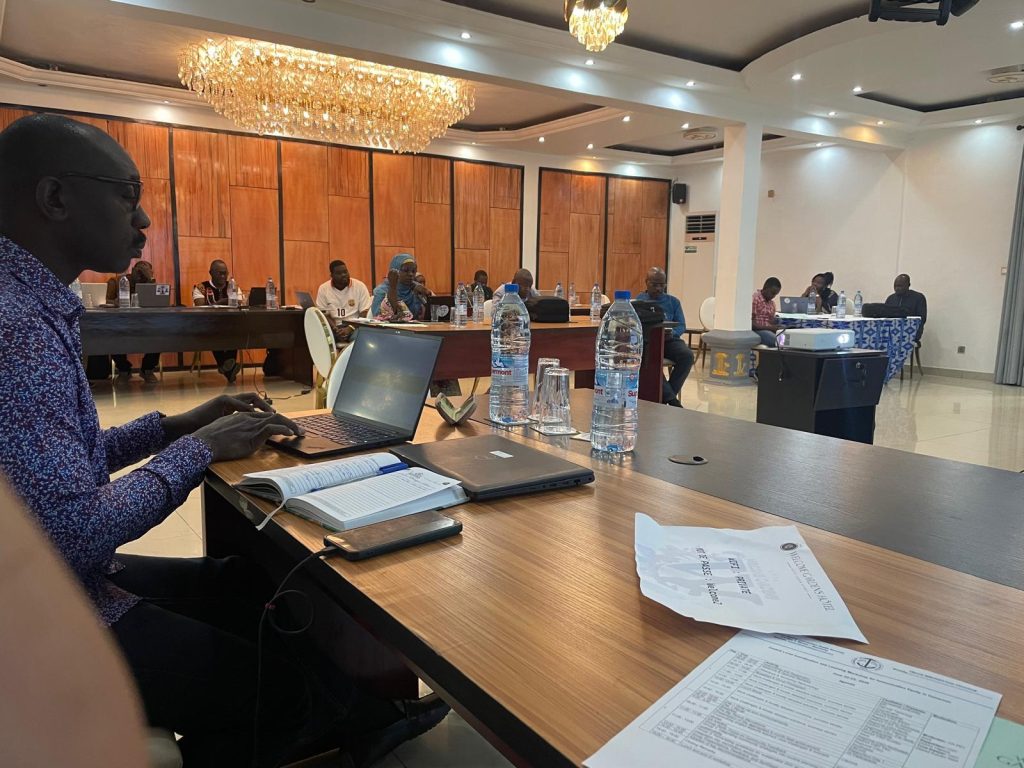
Putting Communities at the Centre: The discussions highlighted several practical areas that are essential for strengthening immunisation equity:
Identifying and Mapping Missed Communities: Understanding where underserved and missed communities are located is an important first step in reaching them. Community mapping can help identify populations facing geographic, social, economic or other barriers to accessing vaccination services.
Listening to Vaccine Concerns and Rumours: Communities may have questions, concerns or rumours about vaccination. Effective engagement starts by listening and understanding where these concerns come from before developing appropriate responses.
Strengthening Community Feedback: Community members should have opportunities to share their experiences with immunisation services. Strong feedback mechanisms can help health actors identify barriers, improve services and strengthen trust between communities and health systems.
Supporting Last-Mile Vaccination: Reaching children in underserved communities often requires approaches that go beyond routine service delivery. Community-based strategies can help connect vaccination services with families who may otherwise remain unreached.
Promoting Gender-Responsive Immunisation: Gender can influence access to health information, decision-making and utilisation of health services. Considering these realities can help ensure that immunisation strategies respond to the needs of women, men, girls and boys.
Engaging Communities to Address Zero-Dose and Under-Immunisation: Communities are essential partners in identifying children who have missed vaccinations and understanding why they were missed. Working with local leaders, community health actors and families can help develop more responsive approaches to closing immunisation gaps.
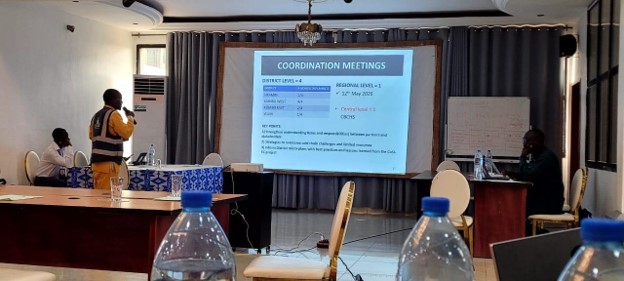
Working With Communities, Not Just For Communities
For CoVACC, the focus is clear: listen to communities, understand their realities and work with local actors to help close immunisation gaps.
Community-driven immunisation is about recognising that every community has its own experiences, challenges and strengths. Sustainable progress requires meaningful engagement with the people who are closest to these realities.
Every missed child represents a missed opportunity for protection. Every underserved community is a community worth reaching.
Listen before responding. Reach the missed. Leave no one behind.
#CoVACC #CoSIEC #ImmunisationEquity #CommunityEngagement #Vaccination #ZeroDose #Cameroon