
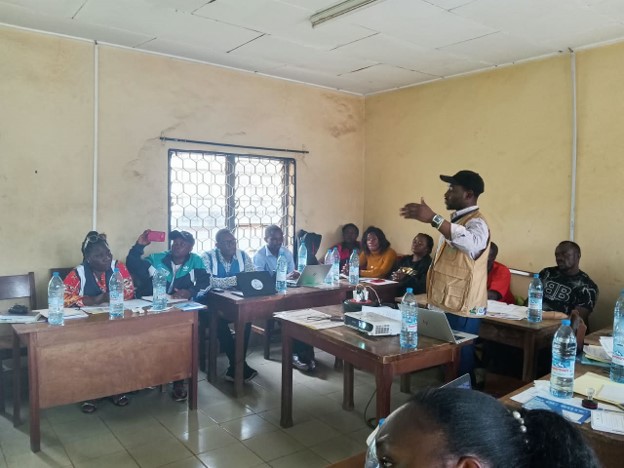
Sometimes, the most important part of vaccination communication is not having the quickest answer. It is taking the time to understand the question, concern, or experience behind it.
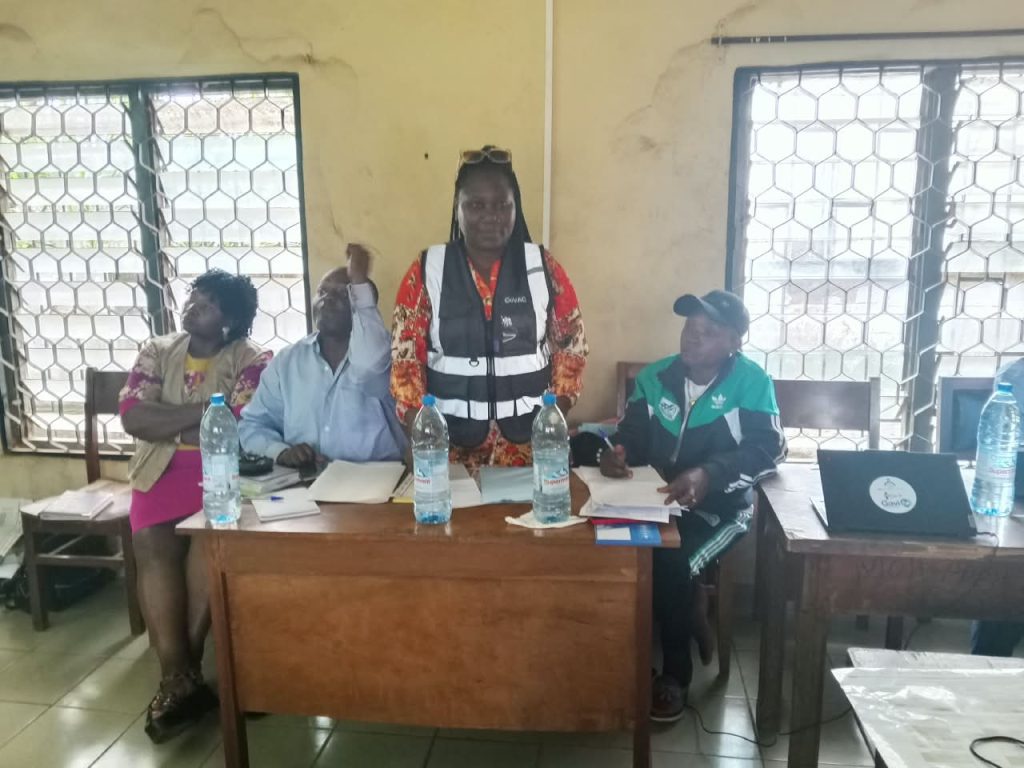
On 3 September 2026, health actors and vaccinators in the Batibo Health District came together for a training focused on strengthening routine and catch-up vaccination services and improving community engagement around immunisation.
The training covered key areas including:
- Routine and catch-up vaccination
- Cold-chain maintenance
- Adverse Events Following Immunisation (AEFI)
- Vaccine-preventable disease (VPD) surveillance
- Gender-responsive immunisation
- Demand generation
- Community engagement and health communication
The event was sponsored and facilitated by the Ministry of Public Health (MINSANTE) and the Cameroon Baptist Convention Health Services (CBCHS) Immunization Program.

Communication Starts With Listening
One of the important discussions during the training focused on how health workers and community actors communicate with people who have questions or concerns about vaccination.
A few practical principles stood out:
- Listen before responding
A vaccine concern may be connected to a previous experience, misinformation, fear of side effects, cultural beliefs, or simply a lack of information. Listening helps us understand the concern before deciding how to respond.
- Use language people understand
Health information is most useful when people can understand and relate to it. Using clear, simple and locally appropriate language can make conversations about vaccination more accessible.

- Engage trusted voices
Community leaders, health workers, religious leaders, teachers, parents, youth leaders and other trusted community members can play an important role in creating meaningful conversations about immunisation.
- Understand why people may hesitate or refuse vaccination
Instead of immediately labelling someone as “hesitant,” it is important to ask what is influencing their decision. Understanding the reason creates an opportunity for respectful and evidence-informed dialogue.
- Communicate with empathy and without judgement
People should feel safe asking questions. A respectful conversation can help build trust, even when concerns are difficult or when people do not immediately change their views.
Building Trust Beyond Information
These principles may seem simple, but they matter.
Building trust in vaccination is not only about providing correct information. It is also about creating spaces where people can ask questions, express concerns and feel heard.
Effective immunisation communication is therefore a two-way process. Communities are not simply recipients of information. Their experiences, questions and perspectives can help health actors understand barriers to vaccination and design more responsive engagement approaches.
When we listen first, we create room for dialogue. When we respond with empathy, we create room for trust.
The goal is not simply to have the right answer. It is to have the right conversation.
What Would You Add?
What communication principles have helped you address vaccination concerns in your community?
Share your experience or approach. What have you learned about listening, trust and community engagement in immunisation?
#CoVACC #Vaccination #Immunisation #CommunityEngagement #HealthCommunication #PublicHealth #VaccinesWork #Cameroon #AEFI #VPDsurveillance